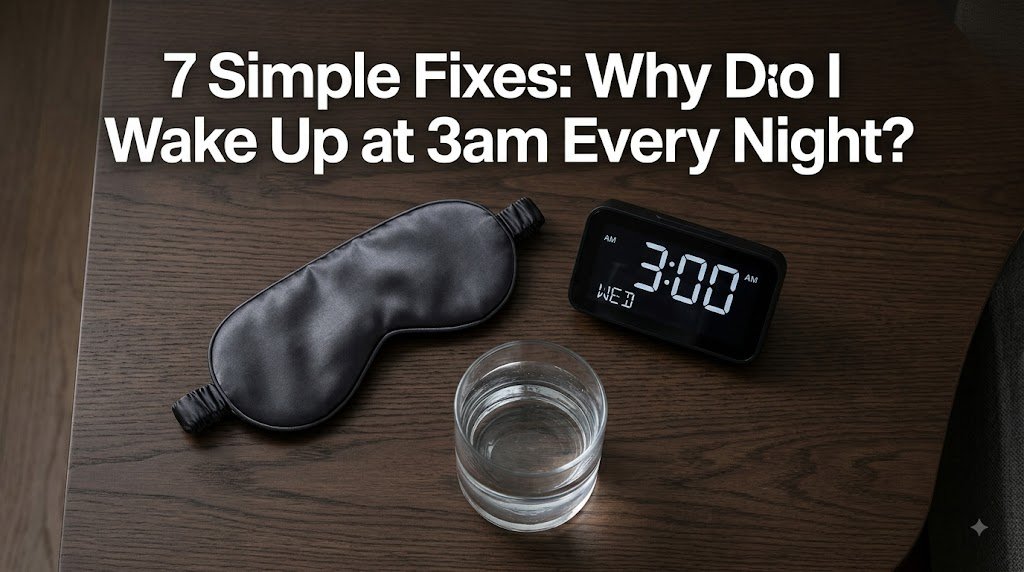
You glance at the glowing clock on your nightstand, and it always displays the exact same time. If you constantly wonder, why do I wake up at 3am every night, you are certainly not alone in this frustrating cycle. Because your body cycles through different stages of rest, your lightest sleep phase naturally occurs during the early morning hours. That’s why any slight internal imbalance completely pulls you out of your slumber. Instead of tossing and turning until your alarm sounds, you must address the physical triggers behind these disruptions. Making a few targeted changes to your evening routine drastically improves your overall sleep architecture. Consequently, you will finally close your eyes and remain peacefully asleep until the morning sun rises.

Quick Guide to 3 AM Wake Ups
| Common Trigger | What Happens Inside | Simple Nightly Fix |
| Blood Sugar Dip | Brain triggers cortisol to raise glucose | Eat a high-fat snack before bed |
| Hot Bedroom | Prevents core body temperature from dropping | Set the thermostat to 65°F (18°C) |
| Evening Alcohol | Rebounds your nervous system aggressively | Stop drinking three hours before sleep |
| Blue Light | Suppresses natural melatonin production | Wear amber glasses after sunset |
Key Takeaways
- Your natural circadian rhythm heavily dictates your early morning cortisol release.
- Sudden drops in your blood glucose levels trigger chemical alarms that wake you up.
- Alcohol severely fragments your REM sleep during the second half of the night.
- Keeping your physical sleeping environment cool and dark actively prevents light sleep awakenings.
The Biology Behind Why Do I Wake Up at 3am Every Night
Your natural circadian rhythm controls the release of specific hormones throughout a 24-hour cycle. When you initially fall asleep, your melatonin levels peak to keep you heavily sedated. However, as the night progresses, your body prepares for morning by slowly releasing cortisol. According to medical insights from the Cleveland Clinic, frequent sleep maintenance insomnia often stems directly from this delicate hormonal balance being violently disrupted.
When your blood sugar drops too low during the night, your brain actually panics. Because it perceives this drop as a severe threat, it releases a massive surge of adrenaline and extra cortisol to rapidly raise your blood glucose back to safe levels. So, this sudden chemical spike instantly jolts you awake, leaving your heart racing in the dark.
While adjusting your evening habits builds a solid foundation, your nervous system often needs extra support to remain calm all night. Many people successfully conquer their midnight awakenings by taking a targeted, natural sleep formula right before bed. This specific daily habit gently signals your brain to deeply relax and efficiently regulates those sudden cortisol spikes. As a result, your body stays peacefully asleep through the most vulnerable hours of the morning.
7 Simple Fixes When You Wonder Why Do I Wake Up at 3am Every Night
1. Eat a Fat-Dense Evening Snack
Going to bed on a completely empty stomach almost guarantees a severe blood sugar crash by 3 AM. Because your liver runs out of stored glycogen, your body resorts to stress hormones for energy. Instead of fasting all evening, eat a small, fat-dense snack exactly thirty minutes before getting into bed. Consuming healthy fats provides a slow, steady stream of fuel to keep your blood glucose perfectly stable. Try eating exactly half a cup of raw walnuts or almonds. This specific portion provides roughly 14 grams of healthy fat, 5 grams of protein, and 150 calories.
2. Lower Your Bedroom Temperature Dramatically
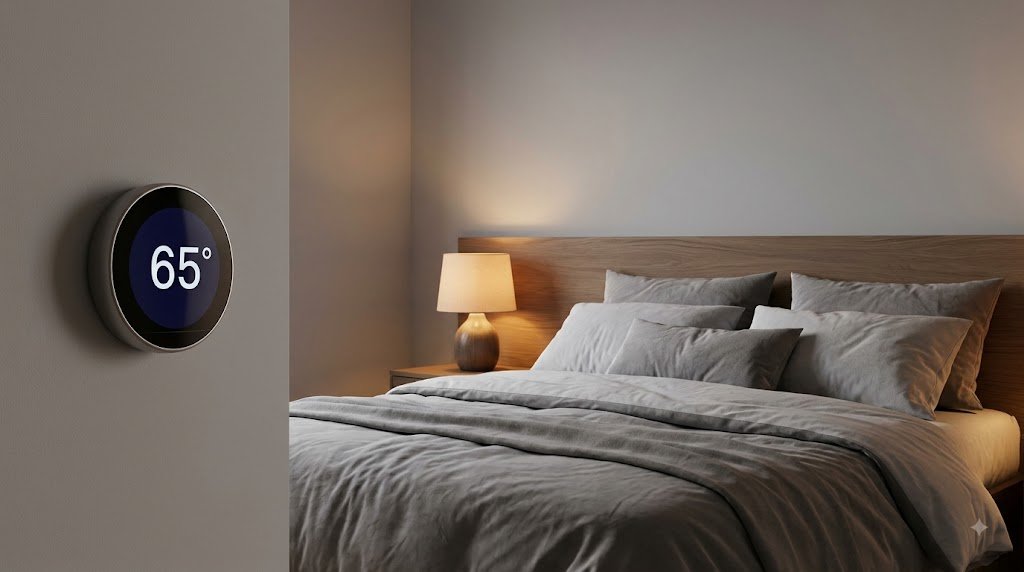
Your core body temperature must drop by a few degrees for you to achieve deep sleep. If your room remains too warm, your body struggles to maintain this necessary thermal regulation. That’s why you often wake up sweating and kicking off the covers in the early morning hours. Set your bedroom thermostat to exactly 65°F (18°C) every single night. Because this cool environment heavily mimics the natural outdoor temperature drop, it signals your brain to remain unconscious and deeply rested.
3. Shift Alcohol Consumption Away From Bedtime
A glass of wine might help you fall asleep quickly, but it destroys your sleep quality later. As your liver metabolizes the alcohol, it creates a powerful rebound effect in your central nervous system. Meanwhile, this specific chemical process severely fragments your vital REM sleep during the second half of the night. You must stop drinking all alcohol exactly three hours before you intend to sleep. Consequently, your body finishes processing the sugars before you reach your most fragile sleep cycles.
Because your deep sleep cycles dictate how refreshed you feel, securing unbroken rest is absolutely critical for your daytime energy. Adding a specialized nighttime botanical blend to your routine helps extend the duration of your deepest, most restorative sleep phases. This gentle internal support actively prevents the restless tossing and turning that usually happens after midnight. Therefore, you wake up feeling genuinely recharged rather than heavily exhausted.
4. Block Artificial Blue Light Earlier
Bright screens emit strong blue light waves that trick your brain into thinking it is daytime. When your retinas absorb this light, your pineal gland instantly halts its natural melatonin production. Because melatonin acts as your primary sleep hormone, low levels make staying asleep virtually impossible. Turn off your television and smartphone exactly two hours before bedtime. Alternatively, wear high-quality amber glasses that physically block 100% of blue light frequencies from reaching your eyes.
5. Practice the 4-7-8 Breathing Technique
When you wake up suddenly at 3 AM, your mind often starts racing with anxious thoughts about the coming day. This mental stress keeps your cortisol levels artificially high, preventing you from drifting back off. Instead of checking your phone, use the 4-7-8 breathing method to physically force your nervous system to relax. Inhale quietly for four seconds, hold your breath for seven seconds, and exhale forcefully for eight seconds. Repeat this exact cycle four times to significantly lower your heart rate.
6. Limit Total Liquid Intake After Dinner
Frequent trips to the bathroom serve as one of the most common, yet easily preventable, sleep interrupters. As you age, your kidneys concentrate urine slightly less efficiently overnight. Therefore, drinking large glasses of water right before bed guarantees a full bladder by the early morning. Stop drinking all major liquids exactly 90 minutes before your head hits the pillow. If you absolutely need to take medication, use only two small sips of water to swallow your pills.

7. Sleep Under a Weighted Blanket
Your nervous system constantly scans your environment for threats, even while you are completely unconscious. If your body feels physically insecure, it remains in a state of hyper-vigilance all night long. Sleeping under a heavy weighted blanket provides deep pressure stimulation across your entire body. This gentle physical pressure actively increases your natural serotonin production while simultaneously lowering your stress hormones. Purchase a blanket that weighs exactly 10 percent of your total body weight for the most effective, comforting results.
When frustrating middle-of-the-night insomnia refuses to fade, relying on a dedicated sleep-support habit offers incredible relief. Drinking a small glass of water with this natural relaxation blend thoroughly prepares your body for uninterrupted rest. It serves as a gentle off-switch for your racing mind, ensuring you effortlessly bridge the gap between light sleep and deep recovery. Ultimately, you reclaim your nights and finally experience the consistent rest you deeply crave.
Frequently Asked Questions About Nighttime Awakenings
Is waking up at 3 AM related to my liver function?
Traditional Chinese Medicine often links the 1 AM to 3 AM window directly to the body’s natural liver detoxification cycle. While Western medicine focuses more on blood sugar and cortisol, the premise remains similar. If your liver struggles to process heavy, fatty meals or alcohol late at night, the resulting metabolic stress can easily wake you up.
Should I stay in bed if I cannot fall back asleep?
No, lying in bed while feeling frustrated actively trains your brain to associate your mattress with severe anxiety. If you remain awake for more than 20 minutes, get out of bed immediately. Go to a dark, quiet room and read a boring physical book under a dim light. Return to your bed only when your eyelids feel genuinely heavy.
Does taking a magnesium supplement help me stay asleep?
Yes, magnesium plays a massive role in regulating your central nervous system. Because it actively binds to GABA receptors in your brain, it helps quiet nerve activity and prepares your body for rest. Taking 200 to 300 milligrams of magnesium glycinate roughly one hour before bed significantly reduces middle of the night insomnia.
How does daily sunlight exposure affect my 3 AM wake ups?
Your circadian rhythm relies heavily on bright environmental light to set its internal 24-hour clock. If you spend your entire day indoors, your brain struggles to distinguish between day and night. Getting exactly 15 minutes of direct sunlight on your face before 9 AM strongly anchors your sleep cycle, ensuring your cortisol peaks in the morning rather than at night.
Reclaim Your Nightly Rest
Waking up exhausted in the dark does not have to be a permanent part of your life. Instead, you simply need to respect your body’s delicate chemical rhythms. Pick just two of these practical habits to implement tonight. Start by lowering your bedroom temperature and eating a small handful of walnuts before brushing your teeth. When you proactively manage your nighttime biology, you will finally stop asking why do I wake up at 3am every night and wake up feeling entirely refreshed instead.
Pin this for later!

This article is for informational purposes only and isn’t a substitute for professional medical advice.
